Choosing the right paint color can completely transform small spaces, making them feel larger and more inviting. Understanding how colors interact with light and affect mood is crucial for achieving the desired atmosphere in your home. Ready to discover how the right hues can elevate your small rooms?
What You Will Learn
- Light colors create an illusion of more space in small rooms.
- Natural and artificial light significantly affect how paint colors appear.
- Color theory basics, including complementary and analogous colors, enhance design choices.
- Testing paint samples on your walls is essential to see how they change throughout the day.
- Monochromatic color schemes help create a cohesive look in small spaces.
- Engaging with community feedback can help refine your color selections.
- Utilizing color visualizers can simplify the decision-making process.
Understanding the Impact of Paint Colors on Small Spaces
When it comes to decorating small spaces, paint color can make a huge difference! Choosing the right hues can create an illusion of more space and enhance the overall look and feel of a room. But why does paint color matter so much in these compact areas? Let’s find out!
Small rooms tend to feel cramped, but with the right colors, you can open them up. Light colors can reflect more light, making the space feel airier and larger, while darker shades can sometimes make a room feel cozy and intimate. It’s all about finding the perfect balance!
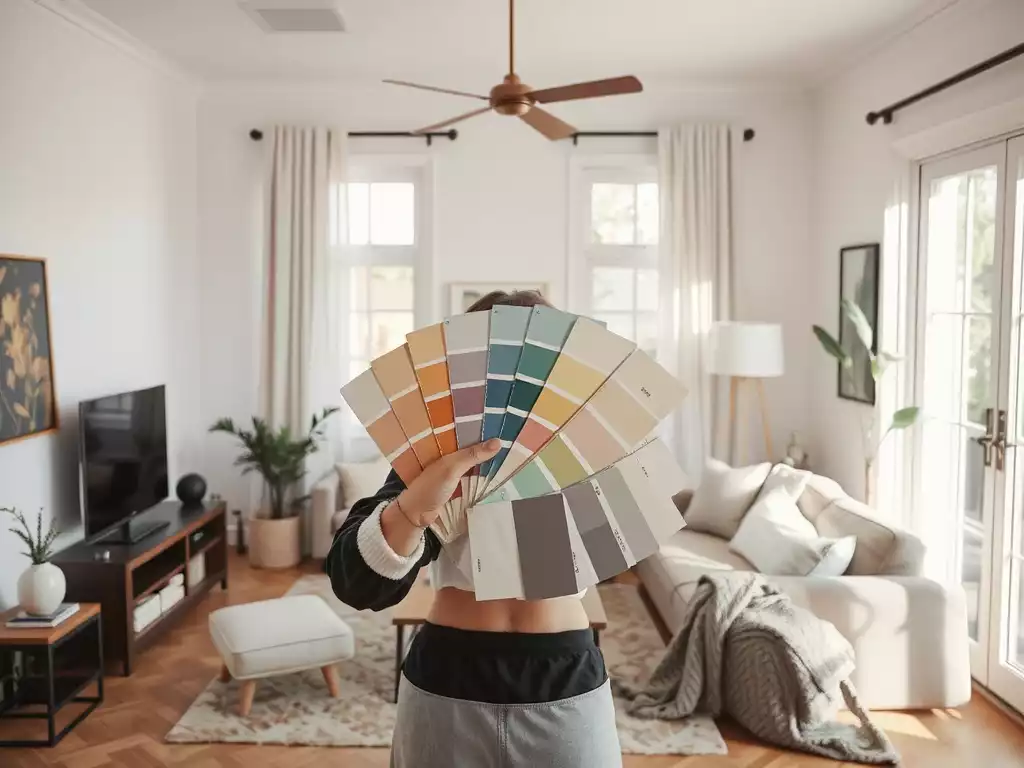
Why Paint Color Matters in Small Rooms
Paint color plays a critical role in how we perceive space. In small rooms, colors can either make the area feel constricted or expansive. Consider these key points:
- Visual Illusion: Lighter shades create an illusion of more space.
- Emotional Impact: Colors can affect mood and energy levels. Research published in PMC NCBI explores how colors influence human psychological functioning.
- Room Functionality: Different colors can enhance the function of each room.
By choosing the right paint colors, you can not only alter the room’s appearance but also influence how you feel in that space. Imagine walking into a small bedroom painted in soft blue; it immediately feels more calming and open!
The Role of Light in Choosing Paint Colors
Natural and artificial light can dramatically change how paint colors look in a space. Therefore, it’s essential to consider light sources when selecting colors for small rooms.
- Natural Light: Rooms with ample natural light can handle darker shades without feeling closed in.
- Artificial Lighting: Different bulbs (warm vs. cool) can shift the color’s appearance.
- Testing: Always test paint samples on your walls to see how they look at different times of day.
Understanding how light interacts with color can lead to better decisions, ensuring your small room feels welcoming and vibrant during both day and night!
Color Theory: Essential Concepts for Small Spaces
Color theory can seem overwhelming, but it’s simpler than it sounds! Here are some basic concepts to keep in mind when choosing colors for small spaces:
- Complementary Colors: Colors opposite each other on the color wheel create contrast and vibrancy.
- Analogous Colors: Colors next to each other on the wheel create harmony and are pleasing to the eye.
- Warm vs. Cool Colors: Warm colors (reds, yellows) can energize, while cool colors (blues, greens) promote calmness. ArchDaily provides further insights into how colors can change the perception of interior spaces.
Using these color theory principles can help you make informed choices that not only enhance the aesthetics of your small space but also create the desired atmosphere!
We Want to Hear From You!
Choosing the right paint color can be a personal journey. What factors do you consider most important when selecting colors for your small spaces? Share your thoughts below:
Key Takeaways for Choosing Paint Colors in Small Spaces
As we wrap up our discussion on choosing paint colors for small spaces, it’s essential to emphasize a few key strategies that can make a significant difference. First and foremost, light neutrals are your best friends. They can help create an illusion of space while keeping the room feeling bright and airy. Additionally, consider your personal style; it’s important that the colors resonate with you! Here’s a quick recap of the essential strategies:
- Opt for light neutrals to expand visual space.
- Incorporate monochromatic color schemes for a cohesive look.
- Use bold colors as accents to add character without overwhelming.
Remember, the right paint color can transform a small room into a comfortable and inviting space. Don’t shy away from experimenting with different shades and combinations until you find what feels right. Trust your instincts!
Summarizing Essential Color Strategies
To summarize, when choosing paint colors for small rooms, it’s crucial to consider the overall ambiance you want to create. Light colors not only reflect light but also make rooms appear larger. Monochromatic palettes can unify the space, while well-placed accent colors can give it a vibrant touch. Here are some essential strategies to keep in mind:
- Choose colors based on the room’s purpose.
- Test samples on your walls to see how they look at different times of day.
- Consider the light sources in the room and how they interact with your chosen colors.
By keeping these strategies in mind, you can confidently select colors that enhance your small space. Each choice adds to the overall vibe and functionality of your home.
Important Considerations for Your Next Painting Project
Before diving into your next painting project, take some time to consider a few important factors. Preparation is key; understand the flow of the house and how the colors in one room will relate to others. This can create a harmonious atmosphere throughout your space. Here are some considerations:
- Assess the natural light and size of your space.
- Think about your furniture and decor; ensure colors complement them.
- Plan for how different finishes will affect the look of your colors.
By addressing these considerations, you can avoid common pitfalls and achieve a beautiful finish that enhances your space.
Frequently Asked Questions About Choosing Paint Colors for Small Spaces
What colors make a small room look bigger?
How does light affect paint colors in a room?
What is color theory and how can it help with small spaces?
Why should I test paint samples on my walls?
Are monochromatic color schemes good for small rooms?
Encouraging Next Steps for Your Space Transformation
Utilizing Visualizers and Tools for Better Decision-Making
Once you’ve gathered your color ideas, it’s time to take advantage of modern technology! Paint color visualizers can help you see how different hues will look in your space. I love using these tools to preview potential colors without the commitment. Here are some benefits to consider:
- Instantly view paint colors on your walls.
- Experiment with various lighting conditions.
- Save time by narrowing down your options before purchasing samples.
Don’t underestimate the power of visualizers—they can help you visualize your dream space with just a few clicks!

Engaging with User Polls and Community Feedback for Color Choices
Sometimes, it’s beneficial to seek outside opinions. Engaging in user polls and community discussions can offer valuable insights into color choices. Platforms like social media allow you to share your color options and gather feedback from friends and followers. This interaction can help you:
- Gain fresh perspectives on your color selections.
- Discover popular trends or colors that work well together.
- Build confidence in your final decision.
Trust me, getting feedback can be incredibly helpful in making those final choices! Remember, choosing paint colors should be a fun and fulfilling experience.
Recap of Key Points
- Use light colors to create an illusion of spaciousness in small rooms.
- Consider natural and artificial light when selecting paint colors.
- Apply color theory principles, such as complementary and analogous colors, to enhance room aesthetics.
- Test paint samples on your walls to assess their appearance in different lighting conditions.
- Plan how colors will flow from one room to another for a cohesive look.
- Utilize paint visualizers to visualize color options before making a commitment.
- Engage with community feedback to gather insights and confidence in your color choices.