Are you ready to transform your space with a fresh coat of paint? Proper preparation is the key to achieving a professional finish that you can be proud of. Before you start, let’s explore the essential steps to ensure your painting project goes off without a hitch!
What You Will Learn
- How to effectively clear and protect your painting area to avoid mess and obstacles.
- A checklist of essential tools that will streamline your painting process.
- The importance of wearing protective gear to ensure your safety while painting.
- Key aspects to inspect for achieving a professional-looking finish after painting.
- Simple touch-up techniques to address common issues like uneven coverage and drips.
- How color psychology can enhance the mood and perception of your newly painted space.
Preparing Your Space for a Professional Paint Job
Before you grab that paintbrush, it’s essential to prepare your space for a smooth and professional-looking finish. This process not only ensures better results but also makes your painting experience more enjoyable. Let’s dive into the key steps to get your area ready!
Taking a little time to prep can save you from a lot of headaches later. From clearing out furniture to gathering your tools, proper preparation can make all the difference in the world, as highlighted by resources like the GSA’s General Guidelines for Painting.
Clearing the Area: What to Move and Cover
First things first, you’ll need to clear the area where you’ll be painting. This not only means moving furniture but also protecting surfaces that you want to keep paint-free. Here’s a quick list of what to move and cover:
- Furniture: Move out any pieces that could obstruct your painting area.
- Wall Décor: Take down pictures, mirrors, or anything hanging on the walls.
- Floors: Cover with drop cloths or old sheets to protect against spills.
- Outlets and Switches: Use painter’s tape to cover outlets and switches to avoid any accidental paint splatters.
By taking these steps, you’re setting the stage for a neat and efficient painting process. Don’t forget to ventilate the area!

Gathering Essential Tools: A Checklist for Success
Having the right tools at your fingertips can make or break your painting job. Here’s a handy checklist of essential tools:
- Paintbrushes and rollers
- Painter’s tape
- Drop cloths
- Paint tray
- Ladder
- Sandpaper and patching compound (if needed)
- Protective gear (more on that below!)
Gathering these items before you start will help streamline your process. Trust me, you’ll thank yourself later when you’re not scrambling to find that missing paintbrush!
Choosing Protective Gear for Safe Painting
Safety should always come first! When you’re painting, it’s important to wear the right protective gear to keep yourself safe from fumes and mess. Here’s what I recommend:
- Dust mask or respirator: To protect against paint fumes and dust, as recommended by the Seattle Office of Sustainability & Environment’s Green Home Guide for paint safety.
- Safety goggles: To keep paint splatters out of your eyes.
- Old clothes or a painter’s suit: Paint can be messy, so wear something you don’t mind getting paint on.
Investing in these protective items might seem trivial, but they’ll ensure you can focus on the painting without worrying about potential harm or mess!
We Want to Hear From You!
After considering your painting preparation and techniques, what color do you believe has the most impact on your mood in a room? Share your thoughts below:
Evaluating Your Results: Achieving a Professional-Looking Finish
Once you’ve completed your painting project, it’s time to step back and evaluate your results. Achieving a professional-looking finish is the goal, and a careful inspection can help you determine if you’ve hit that mark. In this section, I’ll share key aspects to check so you can be proud of your work!
Evaluating your work isn’t just about aesthetics—it’s about ensuring longevity and quality too. By taking the time to thoroughly inspect your newly painted space, you can catch any issues early and address them effectively.
Inspecting Your Work: What to Look For
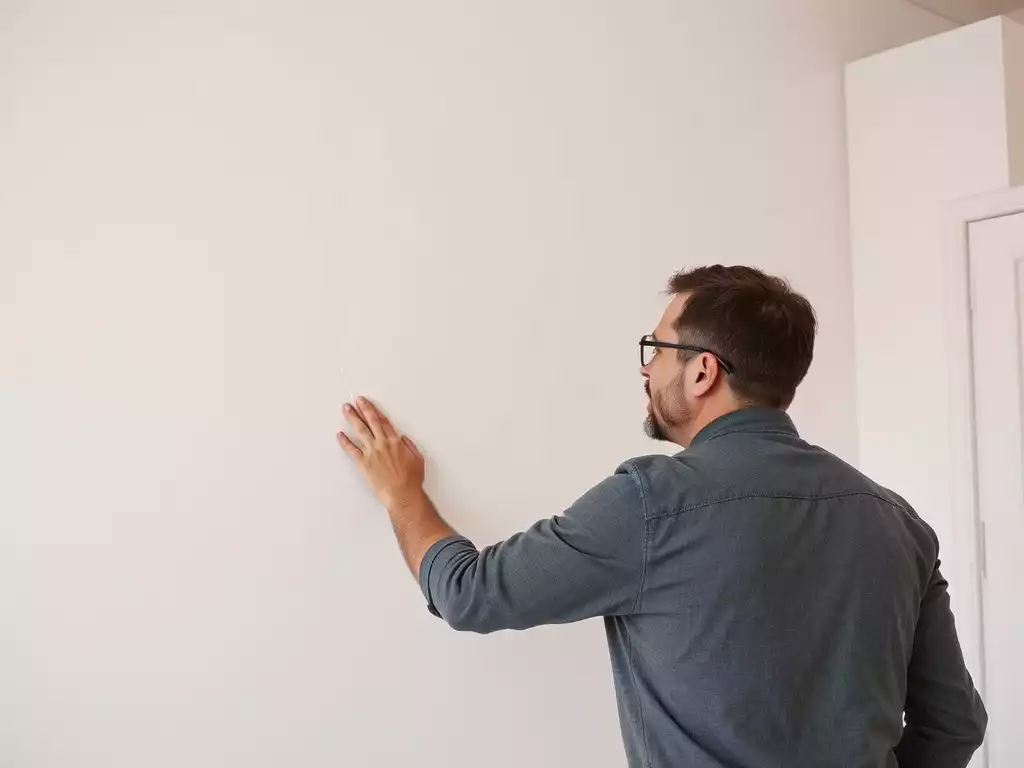
After the paint has dried, grab a comfortable spot to sit and inspect your walls with fresh eyes. It’s best to check for a few common issues that can affect the overall look:
- Uneven Coverage: Look for any patches that might have absorbed less paint.
- Drips and Runs: These can be unsightly and need immediate attention.
- Color Consistency: Ensure that the color appears uniform across the surface.
- Surface Flaws: Check for any bumps or debris that could have affected the finish.
Using natural light can help you spot imperfections you might miss under artificial lighting. If something doesn’t look quite right, don’t fret! Fixing it is often easier than you think.
Addressing Common Issues: Touch-Up Techniques
If you notice any problems during your inspection, a few simple touch-up techniques can help you achieve that flawless finish you’re aiming for. Here are my go-to methods:
- For Uneven Coverage: Use a small brush to carefully apply paint only to the affected areas.
- For Drips and Runs: Allow the paint to dry, then carefully sand down the area before repainting.
- For Surface Flaws: If you spot bumps, lightly sand the area and apply a thin coat of paint once smooth.
These fixes can often be done quickly and can make a significant difference in the overall look of your project. Trust me, taking the time to address these issues will pay off!
Using Color Psychology to Enhance Your Space
Did you know that colors can influence how we feel in a space? Color psychology plays a crucial role in the perception of your environment. Depending on your choice of colors, you can create a welcoming atmosphere, inspire creativity, or promote relaxation. The National Park Service’s Preservation Brief on Painting Interiors offers further insights into historical color use and its impact.
- Warm Colors: Reds and yellows can energize and stimulate conversation!
- Cool Colors: Blues and greens tend to calm and soothe.
- Neutral Colors: These provide versatility and can make spaces feel more open.
As you reflect on your recent project, consider how the colors you’ve chosen impact the mood of the room. This can be a fun opportunity to think ahead to future projects or changes!
Frequently Asked Questions About Painting Preparation and Finish
Why is preparing the painting area so important?
What essential tools should I have before starting a paint job?
What protective gear do I need for painting?
How do I check for a professional-looking finish after painting?
What are some common touch-up techniques for paint issues?
How can color psychology enhance my space?
Recap of Key Points
Here is a quick recap of the important points discussed in the article:
- Clear the Area: Move furniture, take down wall décor, and protect floors and outlets.
- Gather Essential Tools: Ensure you have paintbrushes, rollers, painter’s tape, drop cloths, and protective gear ready before starting.
- Wear Protective Gear: Use masks, goggles, and old clothes to safeguard against fumes and mess.
- Inspect Your Work: Check for uneven coverage, drips, color consistency, and surface flaws once the paint has dried.
- Address Common Issues: Use touch-up techniques for uneven coverage, drips, and surface imperfections to achieve a flawless finish.
- Utilize Color Psychology: Choose colors wisely to influence the mood and atmosphere of your space effectively.