Every homeowner can benefit from the practical skills of DIY repairs. Not only do these skills save money, but they also foster confidence and self-sufficiency. As you learn to tackle home repairs, you’ll discover a rewarding sense of control over your living environment and the ability to address issues as they arise.
What You Will Learn
- DIY home repair skills can lead to significant cost savings by eliminating labor fees.
- Developing these skills enhances your home’s value, enabling you to address issues promptly.
- Basic repairs improve safety by preventing minor problems from escalating into major hazards.
- A well-equipped toolkit empowers you to tackle repairs with confidence and efficiency.
- Online resources and video tutorials can guide you through various repair projects successfully.
- Establishing a seasonal maintenance checklist helps keep your home in optimal condition year-round.
- Engaging with DIY projects boosts emotional well-being and creates a sense of accomplishment.
- Investing in small upgrades can enhance both the aesthetic and functional aspects of your home.
Understanding the Importance of Basic Home Repair Skills
As a homeowner, I can’t stress enough how important it is to have basic home repair skills. These skills empower us to tackle everyday issues without having to rely on professionals constantly. Whether it’s a leaky faucet or a damaged wall, understanding how to make simple repairs can save you both time and money!
Moreover, investing time in learning DIY repairs is not just about saving cash; it’s also about gaining confidence in managing your own space. Having a few handy skills can turn you into a proactive homeowner, ready to take on challenges as they arise. This sense of control over our living environment is incredibly rewarding!
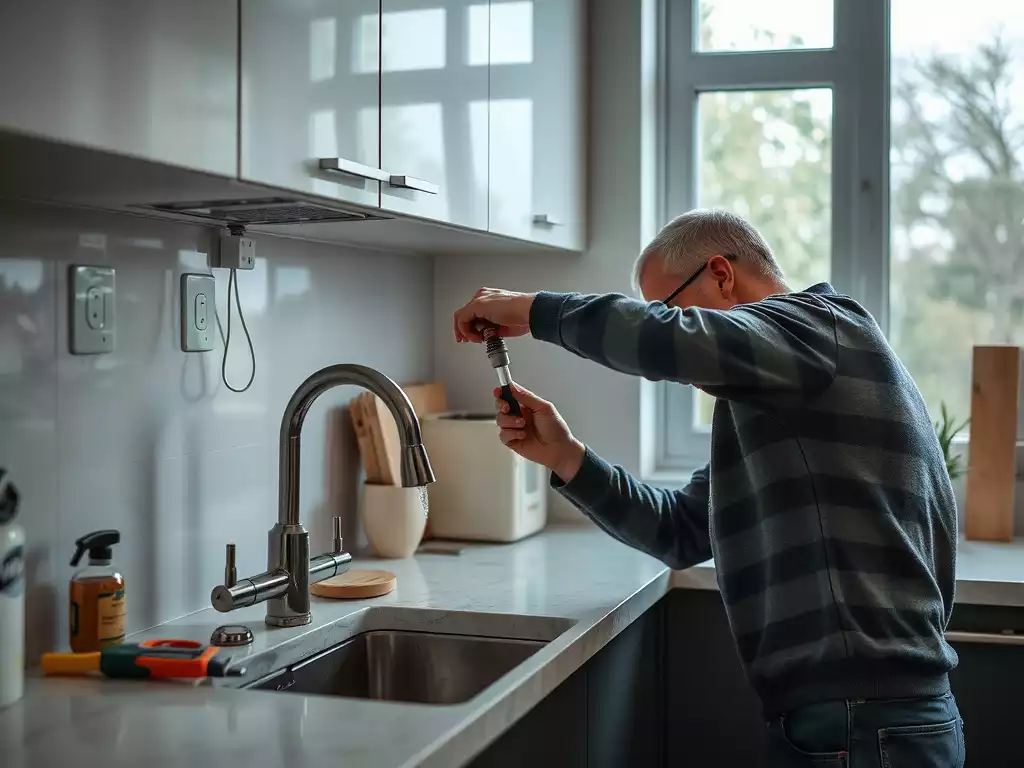
Why Every Homeowner Should Invest Time in DIY Repairs
Learning DIY repairs is one of the best investments you can make as a homeowner. Here are some compelling reasons to get started:
- Cost Savings: By handling repairs yourself, you can save a significant amount on labor costs.
- Increased Home Value: Knowing how to repair and maintain your home can enhance its value, as you can address issues quickly.
- Self-Sufficiency: DIY skills foster a sense of independence and confidence in your ability to manage home-related issues.
- Problem Solving: Developing these skills sharpens your ability to troubleshoot and solve problems effectively.
Each of these reasons contributes to a more enjoyable and worry-free homeownership experience. The more you know, the less you stress!
The Benefits of Learning Simple Home Repairs for Savings and Safety
Engaging in DIY repairs not only saves money but also enhances your safety at home. When I learned to fix minor electrical issues, I became more aware of potential hazards around the house. Here’s how basic skills can help:
- Emergency Preparedness: Knowing how to address minor plumbing or electrical issues can prevent larger problems from developing. For comprehensive guidance on home repairs, the official USA.gov website for repairing your home offers a wealth of information.
- Enhanced Safety: Regular maintenance and repairs ensure that your home is safe for you and your family.
- Skill Development: Each project you complete builds your confidence and prepares you for more complex tasks in the future.
Ultimately, learning these skills creates a safer living environment and provides a toolkit to manage your home effectively. Plus, it’s a great feeling to know you can handle things on your own!
We Want to Hear From You!
What has been your biggest challenge when it comes to DIY home repairs? Share your thoughts below:
Preparing for Successful Home Repairs: Tools and Resources
Before diving into any home repair project, having the right tools is crucial. I’ve learned that a well-equipped toolkit not only saves time but also enhances the quality of the repairs. Having the basics on hand makes tackling those pesky home repairs feel less daunting. So, what should you include in your DIY home repair toolkit?
- Hammer
- Drill and drill bits
- Screwdriver set (flathead and Phillips)
- Pliers and wrenches
- Tape measure
- Utility knife
- Level
- Safety goggles and work gloves
With these essential tools, you’ll be well-prepared to handle most minor repairs around your home. It’s also a good idea to keep a few spare parts, like screws and anchors, for quick fixes!
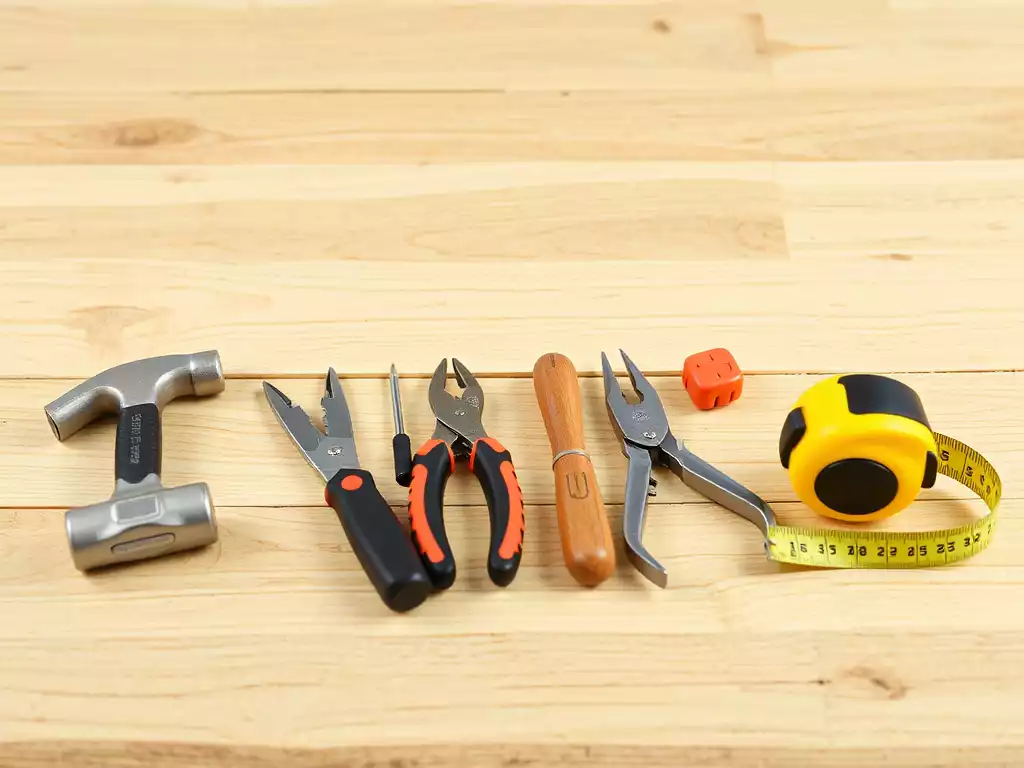
Creating Your DIY Home Repair Toolkit
Building your DIY home repair toolkit can be an exciting venture! Start by investing in quality tools that will last you for years. I recommend focusing on versatile tools that can be used for multiple tasks. This way, you’re not only saving space but also money!
- Get a sturdy toolbox or bag to keep everything organized.
- Consider adding a stud finder and a caulking gun for more advanced repairs.
- Invest in a set of pliers that includes needle-nose and slip-joint options.
- Don’t forget about a good flashlight or work light for those hard-to-see areas.
Once you’ve got your toolkit assembled, you’ll feel more confident tackling repairs as they come up!
Finding Online Resources and Video Tutorials for Learning
In today’s digital age, learning how to perform home repairs is easier than ever! I often find myself turning to online resources when I need a quick refresher or step-by-step guidance. Websites like YouTube, home improvement blogs, and even DIY forums can provide invaluable insights and tips.
- Search for video tutorials specific to your project.
- Visit DIY websites for written guides and forums for community advice.
- Follow home improvement influencers on social media for regular tips and inspiration.
- Consider enrolling in local workshops for hands-on learning experiences.
With these resources at your fingertips, you’ll find that there’s no repair too big to tackle!
Embracing DIY: Tips for a Positive Repair Experience
Starting a DIY repair can be thrilling, but safety must always come first! Ensuring your safety while working around the house is non-negotiable. I’ve learned that taking a few simple precautions can make all the difference.
- Always wear appropriate safety gear, such as goggles and gloves.
- Read instructions carefully before using tools.
- Keep the workspace clean and free from distractions.
- Never rush a project; take your time to ensure everything is done correctly.
By prioritizing safety, you not only protect yourself but also set the stage for a successful project!
Safety First: Protecting Yourself During DIY Repairs
When it comes to DIY repairs, having safety measures in place is key. I always ensure that I’m aware of the risks involved with each task. For instance, working with power tools requires a clear understanding of how to handle them properly.
- Check power tools for frayed cords and malfunctioning parts before use.
- Use ladders safely, making sure they are stable and placed on even ground.
- Keep children and pets away from the work area for their safety.
- Consider practicing new skills on small projects before tackling larger ones.
By being mindful of these safety tips, you’ll create a positive atmosphere for your DIY repairs!
Emotional and Financial Benefits of Learning Home Repairs
Investing time in learning home repairs can be rewarding not just financially but emotionally too! I’ve found that taking on repairs boosts my confidence and helps me feel more connected to my home. Plus, the cost savings can be significant!
- Learning repairs can save you money on service calls.
- It empowers you to customize your space as per your needs.
- Completing a project can provide a sense of accomplishment.
- DIY repairs promote a sustainable mindset, reducing waste.
Embracing DIY not only enhances your home but also nurtures personal growth and satisfaction!
Taking the Next Step: Engaging with Your Home Maintenance
Once you’ve gained confidence in your repair skills, it’s time to take your home maintenance to the next level. Creating a seasonal home maintenance checklist can help keep your home in top shape throughout the year! Resources like the Joint Center for Housing Studies at Harvard University discuss the evolving landscape of home repair programs and their impact.
- Inspect your roof and gutters every spring and fall.
- Change HVAC filters quarterly to maintain efficiency.
- Check smoke and carbon monoxide detectors monthly.
- Clean and organize your garage or storage areas at least twice a year.
By integrating these tasks into your routine, you’ll be able to prevent larger issues down the line!
Creating a Seasonal Home Maintenance Checklist
A well-structured seasonal home maintenance checklist is a fantastic way to keep track of important tasks. I like to break mine down by season, making it easier to manage what needs to be done.
- Spring: Inspect gutters, check for leaks, and clean windows.
- Summer: Maintain outdoor spaces, check air conditioning units, and test sprinklers.
- Fall: Clean the chimney, winterize outdoor faucets, and check insulation.
- Winter: Monitor heating systems, ensure no pipes are frozen, and check for ice dams.
This proactive approach can save time, money, and stress throughout the year! For specific programs that can assist with home repairs, the USDA offers single-family housing repair loans and grants, which can be useful for eligible homeowners.
Incorporating Cost-Effective Repairs and Upgrades into Your Routine
As you become more familiar with home maintenance, consider incorporating cost-effective repairs and upgrades. I’ve discovered that even small changes can make a big difference in both functionality and aesthetic appeal.
- Repaint walls to refresh a room’s look.
- Update lighting fixtures for better efficiency.
- Install energy-efficient appliances during replacements.
- Seal drafts around doors and windows to save on heating and cooling.
By prioritizing these upgrades, you can significantly enhance your home’s value and comfort!
Interactive Tools and Resources for Home Repair Skills
Engaging with interactive tools and resources can make learning home repairs fun and effective. I often use apps and websites that provide tutorials and project planners, making the learning curve much easier.
- Home improvement apps that offer step-by-step guides and videos.
- Online forums where you can ask questions and share experiences.
- Virtual workshops that allow you to learn from experts.
- Interactive budgeting tools to plan and track your repair expenses.
With these resources available, you can continually expand your skills and take on new projects with confidence!
Frequently Asked Questions About DIY Home Repairs
Why should every homeowner learn basic DIY repair skills?
What essential tools should I include in my DIY home repair toolkit?
Where can I find reliable online resources for learning home repairs?
What safety precautions should I take during DIY repairs?
How can a seasonal maintenance checklist benefit me?
Recap of Key Points
Here is a quick recap of the important points discussed in the article:
- Invest in DIY Skills: Learning basic home repair skills saves money, increases home value, and fosters self-sufficiency.
- Essential Tools: A well-equipped toolkit is crucial; include hammers, drills, screwdrivers, and safety gear.
- Utilize Online Resources: Take advantage of videos, blogs, and forums for step-by-step guidance and inspiration.
- Prioritize Safety: Always wear protective gear, check tools before use, and keep a clean workspace.
- Seasonal Maintenance: Create a seasonal checklist to keep your home in top shape and prevent larger issues.
- Embrace Upgrades: Small repairs and upgrades can significantly improve your home’s functionality and aesthetic appeal.