Understanding the causes of a running toilet can save you money and prevent ongoing issues. Knowing how to identify the symptoms and common problems empowers you to take action and fix the issue yourself!
What You Will Learn
- Recognize the key symptoms of a running toilet, such as persistent hissing or frequent tank filling.
- Identify common issues, including problems with the flapper valve, fill valve, and float height.
- Understand the importance of optimal water levels and flush mechanism functionality for proper toilet performance.
- Learn essential testing and maintenance tips to ensure your toilet operates smoothly after repairs.
- Implement preventive measures, such as regular inspections and cleaning, to avoid future running toilet issues.
- Utilize effective cleaning solutions and tools to maintain a clean and efficient toilet.
Understanding the Common Causes of a Running Toilet
Have you ever heard that annoying sound of water continuously running in your toilet? A running toilet can be more than just a nuisance; it often indicates underlying issues that need attention. Understanding the common causes can save you time and money, keeping your bathroom in prime condition!

In this section, I’ll help you pinpoint the symptoms of a running toilet and the common culprits behind it. Knowing these details will empower you to take action and possibly fix the problem yourself!
Identifying Symptoms: What Does a Running Toilet Sound Like?
The first step in addressing a running toilet is to recognize the symptoms. Typically, you might notice a persistent hissing or trickling noise coming from the tank. This sound indicates that water is continuously flowing, which is not only wasteful but can also lead to higher water bills.
- Consistent hissing sound
- Water filling the tank more frequently than normal
- Occasional gurgling noises from the bowl
If you hear any of these sounds, it’s a sign that something isn’t right. Don’t ignore them! The sooner you diagnose the problem, the easier it will be to fix. For more detailed information on fixing toilet leaks, you can refer to resources like Portland.gov’s guide on fixing a toilet leak.
Common Issues Behind a Running Toilet: Flapper, Fill Valve, and More
So, what causes your toilet to run? There are a few common issues that can lead to this frustrating problem:
- Flapper valve – This is a rubber seal at the bottom of the tank. If it’s worn out or not sealing properly, water can leak into the bowl. For insights into common flapper problems, consider reading about solving the mystery of the leaky flapper.
- Fill valve issues – If the fill valve isn’t working correctly, it could lead to continuous filling and running.
- Float height problems – The float determines when the tank stops filling. If it’s set too high, water may continuously flow into the overflow tube.
By understanding these issues, you can focus your troubleshooting efforts on the right components. Each part plays a crucial role in your toilet’s operation and addressing them will significantly help in fixing the running issue!
Impact of Water Level and Flush Mechanism on Toilet Performance
The water level in the tank and the flush mechanism are critical factors in how well your toilet performs. If the water level is too low, you might not get a proper flush, leading to residual waste. On the other hand, if it’s too high, it can cause overflow and constant running.
- Optimal water level – Ideally, the water should be about an inch below the top of the overflow tube.
- Flush mechanism functionality – Ensure that the flush mechanism is working correctly to avoid running issues.
By keeping an eye on these aspects, you can ensure your toilet flushes efficiently, minimizing the chances of a running toilet in the future! For more information on efficient toilet use and maintenance, the Energy.gov Best Management Practice for Toilets and Urinals provides valuable insights.
We Want to Hear From You!
Have you ever dealt with a running toilet? What steps did you take to resolve the issue? Share your experiences with us!
Frequently Asked Questions About Running Toilets
What are the main symptoms of a running toilet?
What are the most common causes of a running toilet?
How does water level affect toilet performance?
What should I do after fixing a running toilet?
What preventive measures can I take to avoid future running toilet issues?
Finalizing Your Repair: Testing and Maintenance Tips
After you’ve followed the steps to fix your running toilet, it’s time to test your repair. This is crucial to ensure everything is functioning properly. You’ll want to check for leaks and make sure the toilet refills as expected after a flush. A quick test can save you from future frustrations!
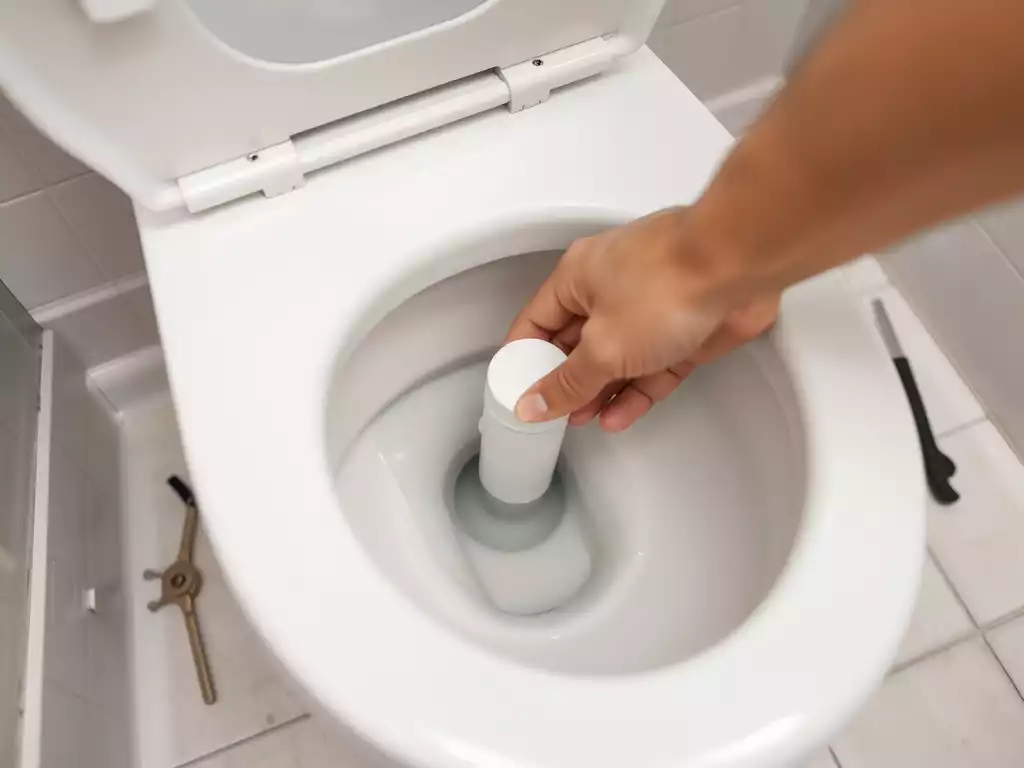
Start by flushing the toilet once or twice. Listen carefully for any unusual sounds that might indicate ongoing issues. If the toilet runs silently and smoothly, you’ve likely done a great job!
How to Test for Success After Your Repair
- Flush the toilet and observe the fill process.
- Check for leaks around the base and tank.
- Ensure the flapper seals properly after flushing.
- Listen for any running water noises that shouldn’t be there.
If everything checks out, congratulations! Your toilet is back in working order. However, if you notice any problems, you may need to revisit some of the steps you took during the repair. It’s all part of the process!
Preventive Measures to Avoid Future Problems: Maintenance and Inspection
Regular maintenance is key to keeping your toilet in top shape. Even after a successful repair, it’s important to stay vigilant. Here are some preventive measures you can take:
- Inspect the flapper valve every few months for wear and tear.
- Check water levels and make adjustments as needed.
- Clean the toilet components periodically to prevent build-up.
- Monitor for any signs of leaks or running water.
By integrating these practices into your routine, you can significantly reduce the chances of dealing with a running toilet again. It’s a small investment of time that pays off in comfort!
Using Cleaning Solutions and Tools for Ongoing Toilet Care
To maintain a clean and efficient toilet, using the right cleaning solutions is essential. Not only does this keep your toilet looking fresh, but it also helps protect its components. Here are some tools and solutions you might consider:
- Natural cleaners like vinegar and baking soda.
- Commercial toilet bowl cleaners with antibacterial properties.
- Soft brushes to avoid scratching the porcelain.
- Cleaning tablets that help maintain water clarity.
Incorporating these products into your toilet maintenance routine can help prevent future repairs and keep your bathroom looking its best. Remember, a little care goes a long way!
Recap of Key Points
Here is a quick recap of the important points discussed in the article:
- Identify symptoms of a running toilet: persistent hissing, frequent tank filling, and gurgling noises.
- Common causes include flapper valve issues, fill valve problems, and incorrect float height.
- Maintain optimal water levels in the tank for efficient flushing and performance.
- Test repairs by checking for leaks, observing the refill process, and ensuring proper flapper sealing.
- Regular maintenance should include inspecting components, adjusting water levels, and cleaning periodically.
- Use appropriate cleaning solutions to keep the toilet clean and prevent future issues.