Upgrading your electrical outlets might not be the most glamorous home improvement task, but it’s one of the most crucial. Did you know that outdated outlets can pose serious safety risks? By understanding the importance of this upgrade, you can protect your home and family from potential hazards.
What You Will Learn
- Recognize the warning signs that indicate it’s time to replace your electrical outlets.
- Understand the benefits of upgrading to GFCI and tamper-resistant outlets for enhanced safety.
- Explore different types of outlets, including smart and USB-integrated options, to modernize your home.
- Learn when to seek professional help for electrical upgrades to ensure compliance with safety regulations.
Understanding the Importance of Upgrading Old Outlets
Upgrading old electrical outlets is not just about aesthetics; it plays a crucial role in ensuring safety and functionality in your home. Many homeowners often overlook the condition of their electrical outlets, but doing so can lead to various hazards. In this section, we’ll dive into why it’s essential to stay on top of outlet upgrades and how doing so can protect your family and property.
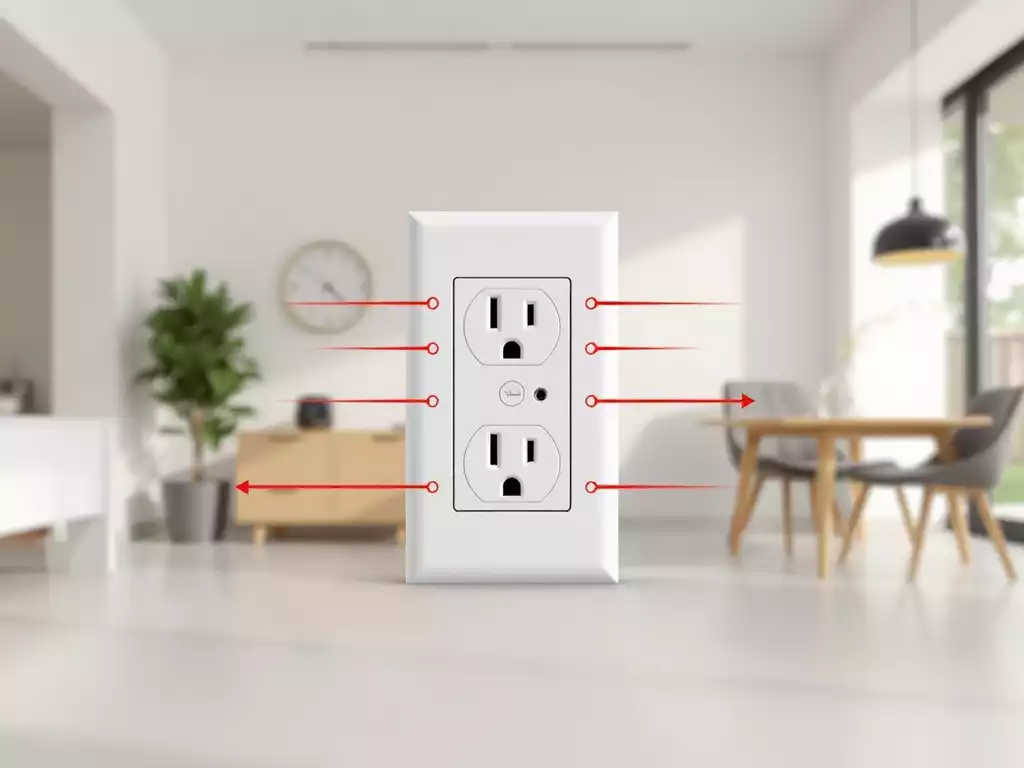
Old outlets can be a fire hazard, especially if they’re cracked, damaged, or worn out. When you upgrade, you’re making a smart move towards a safer living environment. Knowing when to replace your outlets is critical for avoiding unexpected issues down the line.
Identifying Signs That Indicate It’s Time to Replace Electrical Outlets
There are several signs that can indicate your outlets may need replacement. It’s essential to pay attention to these and act promptly. Here are some common indicators:
- Frequent tripping of circuit breakers or blown fuses.
- Visible damage such as cracks or burn marks.
- Outlets that feel warm to the touch.
- Outlets that don’t hold plugs securely or are loose.
If you’re experiencing any of these issues, it may be time to replace your outlets. Ignoring these signs can lead to larger electrical issues, which could be costly and unsafe. The Electrical Safety Foundation International (ESFI) provides valuable resources on identifying indicators that your outlets may need an upgrade, helping you make informed decisions for your home’s safety.
The Benefits of Upgrading to GFCI and Tamper-Resistant Outlets
Upgrading to Ground Fault Circuit Interrupter (GFCI) and tamper-resistant outlets can significantly enhance your home’s safety. GFCI outlets are designed to cut off electricity when they detect an imbalance, which can prevent electrical shocks. They’re especially useful in wet areas like kitchens and bathrooms.
- GFCI outlets reduce the risk of electrical shock, making them essential for safety.
- Tamper-resistant outlets have built-in safety shutters, preventing accidental insertion of foreign objects.
- Both types of outlets can potentially lower your home insurance premiums.
By upgrading to these modern outlets, you not only adhere to safety standards but also provide peace of mind for your family and guests.
Exploring Different Outlet Types: GFCI, Tamper-Resistant, and Smart Outlets
When it comes to upgrading, it’s important to understand the different types of outlets available. Each type has its unique features and benefits:
- GFCI Outlets: Ideal for areas with water exposure, they ensure safety by cutting off power in case of ground faults.
- Tamper-Resistant Outlets: These are designed to keep children safe by preventing the insertion of foreign objects.
- Smart Outlets: Equipped with Wi-Fi capabilities, they can be controlled remotely through your smartphone, offering convenience and energy efficiency.
Choosing the right outlet for specific areas in your home can significantly impact your safety and convenience. Consider your needs carefully before making a selection.
Pro Tip
Did you know? Upgrading your outlets not only increases safety but can also enhance the overall value of your home. Modern outlets with features like USB ports or smart technology appeal to potential buyers, making your property more attractive in the market.
Wrapping Up: The Importance of Proper Outlet Upgrades
Upgrading electrical outlets is more than just an aesthetic improvement; it’s a critical safety measure for any home or business. Properly installed outlets can prevent electrical fires and ensure that your devices charge safely. By taking the time to upgrade your outlets, you’re investing in the long-term safety and functionality of your electrical system.
So, as we wrap up this guide, let’s take a closer look at key considerations and options for your outlet upgrades that can make a real difference in your daily life!
When to Seek Professional Help for Electrical Upgrades
While many homeowners feel confident tackling electrical projects on their own, there are times when professional help is essential. Here are some situations where you should consider calling in an expert:
- Unfamiliar with electrical systems or wiring.
- Encountering code violations or complex installations.
- Experiencing persistent electrical issues (flickering lights, frequent breaker trips).
- Handling high-voltage outlets or heavy appliances.
Don’t hesitate to ask for help if you feel unsure about any aspect of your outlet upgrade. A licensed electrician can provide valuable insights and ensure your project meets all safety regulations.
Exploring Advanced Outlet Options: Smart and USB-Integrated Choices
As technology continues to evolve, so do our electrical outlets! Upgrading to smart outlets or those with USB ports can enhance convenience and efficiency in your home. Here are some advanced options to consider:
- Smart Outlets: Control your appliances remotely via smartphone apps, schedule operations, or even monitor energy usage.
- USB-Integrated Outlets: These outlets come with built-in USB ports, allowing for easy charging of devices without needing bulky adapters.
- Surge-Protected Outlets: Protect your electronics from power spikes while providing standard power access.
These options not only modernize your space but also enhance functionality, making your life a little easier.
Understanding Building Codes and Electrical Code Compliance
When upgrading your outlets, it’s crucial to understand local building codes and electrical code compliance. These regulations ensure safety and proper installation, helping to avoid hazards. For example, the U.S. Department of Housing and Urban Development (HUD) provides comprehensive standards for electrical outlets and switches that are important for compliance. Additionally, resources like the National Electrical Code (NEC) frequently asked questions from the Minnesota Department of Labor and Industry offer insights into specific code requirements.
- Check local regulations for outlet placement and type, especially in kitchens and bathrooms.
- Ensure that GFCI outlets are installed in wet areas to prevent electrical shocks.
- Maintain the recommended distance between outlets and major appliances.
Staying informed about these codes helps ensure your outlet upgrades are safe and legal, giving you peace of mind.
Frequently Asked Questions About Outlet Upgrades
What are the main signs that my electrical outlets need replacing?
What are GFCI and tamper-resistant outlets, and why are they important?
When should I consider hiring a professional electrician for outlet upgrades?
What are smart outlets and USB-integrated outlets?
Why is understanding building codes important for electrical upgrades?
Additional Resources and Next Steps
Now that you’re equipped with valuable knowledge about upgrading your electrical outlets, it’s time to take action. To assist you further in your outlet upgrade project, we’ve compiled a list of helpful resources!
Downloadable Checklist for Your Outlet Upgrade Project
To make your upgrade process smoother, consider downloading our checklist. This checklist includes all the steps you need to follow, from gathering tools to ensuring safety measures are in place.
Links to Related Guides for Further Learning
For those looking to dive deeper into electrical projects, we have a selection of related guides. These guides cover everything from basic wiring techniques to advanced home automation. Check them out to expand your knowledge!
Conducting a Home Inspection: Ensuring Electrical Safety
Finally, consider conducting a thorough home inspection focusing on electrical safety. Regular inspections can help identify potential hazards and ensure all outlets are functioning correctly. This proactive approach is essential for maintaining a safe living environment.
Recap of Key Points
Here is a quick recap of the important points discussed in the article:
- Regularly check electrical outlets for signs of damage or wear, such as cracks, warmth, or loose plugs.
- Upgrade to GFCI and tamper-resistant outlets to enhance safety, especially in wet areas.
- Consider advanced outlet types like smart outlets and USB-integrated options for added convenience.
- Understand local building codes and electrical compliance to ensure safe and legal installations.
- Seek professional help when dealing with complex electrical issues or unfamiliar systems.