Replacing your kitchen faucet doesn’t have to be an overwhelming task. With the right tools and knowledge, this DIY project can be both rewarding and cost-effective. Are you ready to transform your kitchen and boost your DIY skills?
What You Will Learn
- Essential tools needed for a smooth faucet replacement process.
- Different types of kitchen faucets and their components.
- Importance of adhering to local plumbing codes for safety.
- Critical steps for preparing your workspace, including turning off the water supply.
- Best practices to avoid common pitfalls during the installation process.
- Resources for further learning, including videos and checklists to assist with your project.
Step-by-Step Guide to Replacing Your Kitchen Faucet Without a Plumber
Replacing your kitchen faucet can seem daunting, but with the right guidance, it can be a rewarding DIY project! In this section, I’ll walk you through the essentials to prepare you for a successful faucet replacement.
Understanding the Basics: What You Need to Know Before You Start
Essential Tools for Your Faucet Replacement Project
Before diving into your faucet replacement, it’s crucial to gather the right tools. Having everything at hand will save you time and frustration! Here’s a list of tools you’ll need:
- Adjustable wrench
- Basin wrench
- Screwdriver (flat and Phillips)
- Tape measure
- Plumber’s putty or silicone sealant
- Bucket for excess water
These tools will make the process a lot smoother, allowing you to tackle each step with confidence. Make sure to check your toolbox before you start!

Common Types of Kitchen Faucets and Their Components
Not all faucets are created equal! It’s helpful to understand the various types of kitchen faucets, which can make your selection process easier. Here are the most common types:
- Single-handle faucets
- Double-handle faucets
- Pull-down or pull-out spray faucets
- Touchless faucets
Each type comes with different components, so familiarizing yourself with them can help you during installation. For example, single-handle faucets often have a cartridge, while double-handle faucets use compression or ball valves. For more detailed information on different faucet types and their components, you can refer to resources like PNNL’s Building America Solution Center guide on kitchen faucets, which provides comprehensive insights.
Understanding Plumbing Codes Relevant to Faucet Installation
Before you replace your faucet, it’s important to be aware of local plumbing codes. These regulations can vary by location, but they typically cover installation standards and safety requirements. Here are some considerations:
- Ensure the faucet meets local code standards for water flow
- Check for any required permits
- Be aware of backflow prevention regulations
Understanding these codes will not only keep your installation legal, but it will also help avoid potential plumbing issues down the line! For insights into water efficiency standards, the Energy.gov Best Management Practice for Faucets and Showerheads offers valuable information on water-saving features and federal guidelines.
Preparing Your Work Area for a Successful Faucet Replacement
Turning Off the Water Supply: A Critical First Step
Before you begin removing your old faucet, the first step is to turn off the water supply. This is a critical step to prevent any unexpected spills! Here’s how to do it:
- Locate the shut-off valves under your sink.
- Turn the valves clockwise to shut off the water.
- Test the faucet by turning it on to ensure the water has stopped flowing.
Taking this precaution will save you from a soggy mess and ensure a safer working environment!
Relieving Pressure in the Water Lines to Avoid Mess
After shutting off the water supply, it’s essential to relieve any pressure in the lines. Here’s a quick way to do this:
- Open the faucet to let any remaining water drain out.
- Flush the toilet to release additional pressure in the system.
This simple step will help to minimize any surprises when you start disconnecting the lines!
Safety Precautions to Consider During Your Faucet Replacement
Finally, safety should always come first! Here are some precautions to keep in mind:
- Wear safety goggles to protect your eyes from debris.
- Use gloves to prevent cuts or scrapes.
- Have a towel handy to quickly clean up any spills.
Taking these precautions will ensure a smoother and safer faucet replacement process. You’ll be glad you did!
We Want to Hear From You!
What has been your biggest challenge when replacing a kitchen faucet? Share your experience or tips below:
Frequently Asked Questions About Faucet Replacement
What tools are essential for replacing a kitchen faucet?
Why is it important to turn off the water supply before starting?
What are the most common types of kitchen faucets?
Should I be aware of plumbing codes before installing a new faucet?
What safety precautions should I take when replacing a faucet?
Wrap-Up: Your Path to Successful DIY Faucet Replacement
Congratulations on making it through the journey of replacing your kitchen faucet! This DIY project not only saves you money but also gives you a sense of accomplishment. Let’s recap the key steps you need to remember to ensure a successful installation.
Recap of Key Steps for Replacing a Kitchen Faucet
From gathering the right tools to ensuring everything is securely connected, each step plays a vital role in your faucet replacement. Here’s a quick overview of the essential steps:
- Gather your tools and familiarize yourself with the faucet components.
- Turn off the water supply and relieve pressure in the lines.
- Remove the old faucet carefully, addressing any stubborn or corroded parts.
- Clean the sink area to prepare for the new installation.
- Follow the assembly instructions for your new faucet, paying attention to connection points.
- Test for leaks and troubleshoot any issues before completing the project.
Remember, taking your time and following these steps can make a significant difference. Don’t rush; ensure that every connection is tight and leak-free! For a complete guide on how to install a kitchen faucet, including detailed visual instructions, the Home Depot resource provides an excellent walkthrough.
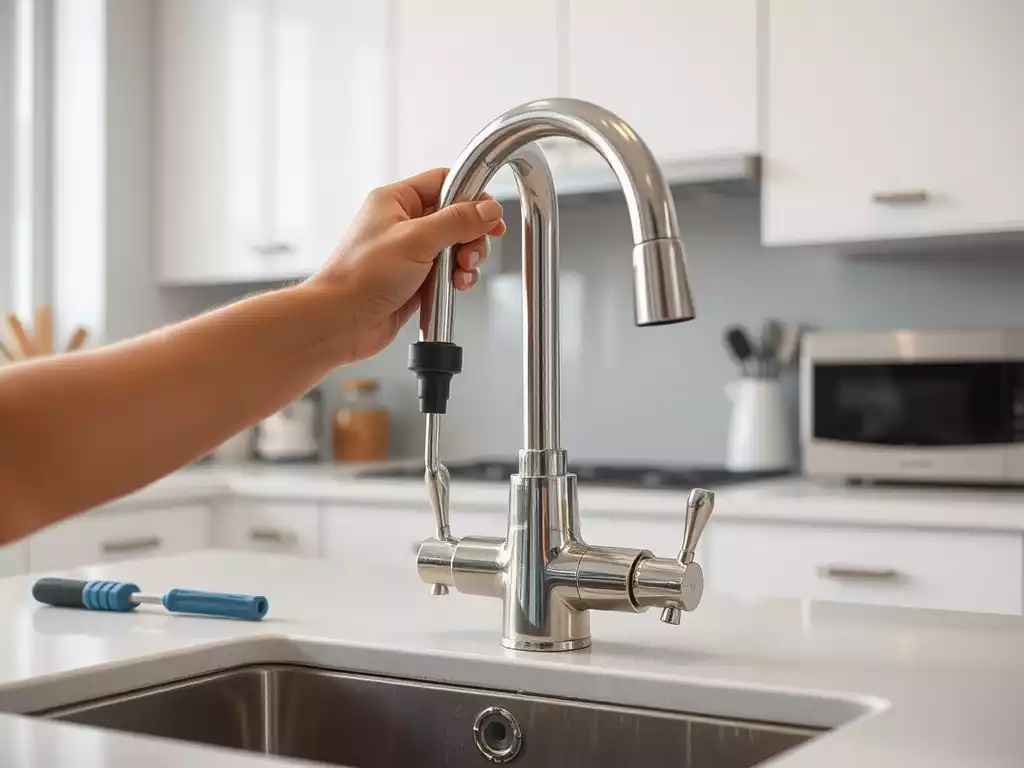
Important Reminders and Best Practices for a Smooth Process
As you embark on your faucet replacement, here are some best practices to keep in mind:
- Label your water supply lines to avoid confusion when reattaching.
- Take photos of the old faucet setup for reference.
- Have a bucket handy to catch any remaining water when disconnecting lines.
- Double-check the compatibility of your new faucet with your sink type.
By following these reminders, you can significantly reduce the chance of encountering issues during your installation!
Further Resources and Support for Your DIY Projects
If you’re eager to expand your DIY skills further, there are plenty of resources available to assist you. Here are some great options to explore:
Links to Helpful Videos and Printable Checklists for Easy Reference
Visual aids can make your faucet replacement easier to understand. Check out these resources:
These tools will help you stay organized as you work!
Online Tutorials for Advanced Faucet Installation Techniques
For those looking to tackle more complex installations, consider these advanced tutorials:
Diving into these tutorials can give you more confidence and skills for future projects.
Engaging with the DIY Community: Sharing Your Experience and Tips
Don’t underestimate the power of community! Engaging with fellow DIY enthusiasts can provide invaluable support and inspiration. Consider:
- Joining online forums or social media groups focused on home improvement.
- Sharing your own experiences and asking for advice.
- Participating in local DIY workshops or classes.
By connecting with others, you’ll not only gain new ideas but also contribute to a growing community of skilled DIYers!
Recap of Key Points
Here is a quick recap of the important points discussed in the article:
- Gather essential tools: adjustable wrench, basin wrench, screwdrivers, plumber’s putty, etc.
- Understand the types of kitchen faucets and their components.
- Be aware of local plumbing codes and regulations before starting the installation.
- Always turn off the water supply and relieve pressure in the lines before working on the faucet.
- Follow safety precautions, such as wearing goggles and gloves, to protect yourself during the process.
- Carefully remove the old faucet and clean the area before installing the new one.
- Test for leaks after installation to ensure everything is secured correctly.