As you venture into DIY plumbing, recognizing the common pitfalls can save you both time and money. Many beginners overlook critical steps, leading to frustrating and costly mistakes. Arm yourself with knowledge to turn your plumbing tasks into successful projects!
What You Will Learn
- The importance of knowing proper methods for unclogging drains to avoid worsening the problem.
- How to identify and rectify common DIY errors, such as neglecting shut-off valves.
- Essential tools every beginner should own for effective plumbing tasks.
- Key steps to prevent major plumbing mistakes that can lead to costly repairs.
- Quick fixes for common plumbing emergencies to minimize damage and repair costs.
Understanding Common Plumbing Mistakes Beginners Make
When diving into the world of plumbing, many beginners often face a slew of misconceptions and errors that can turn a simple task into a frustrating experience. It’s all too common for someone to think they can unclog a drain with just a plunger, but without knowing the right technique, they might just make things worse! Understanding these pitfalls is crucial for anyone starting their DIY plumbing journey.
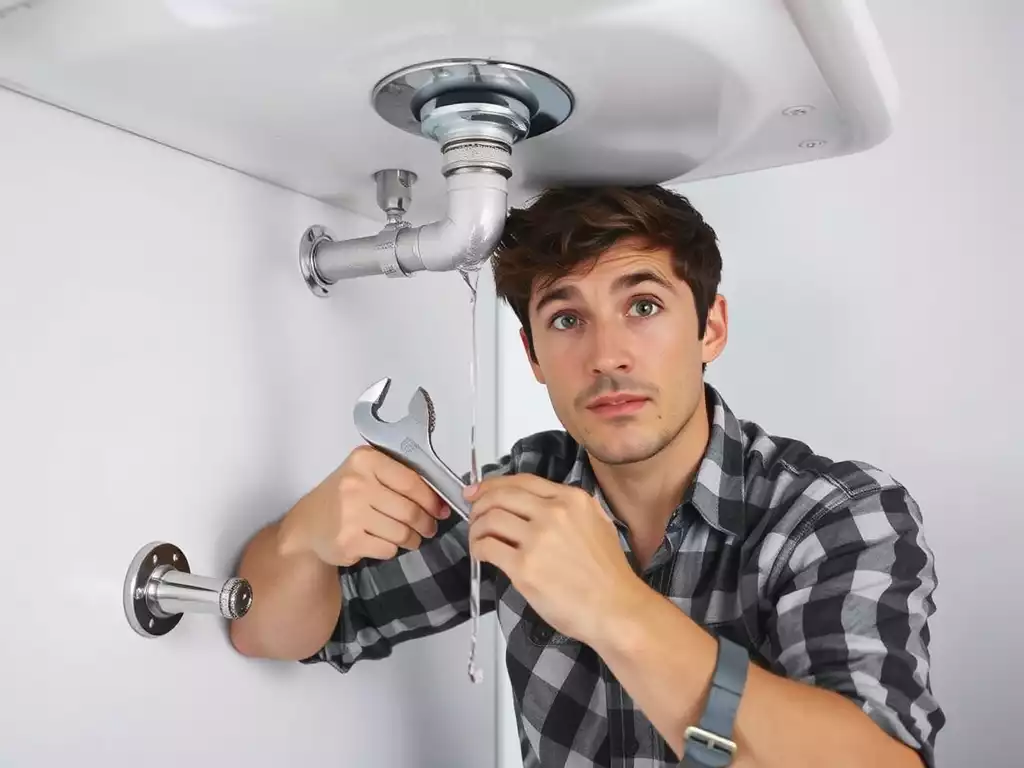
Some typical errors include:
- Not knowing the correct method for unclogging drains
- Overlooking leaks in places they can’t easily see
- Using makeshift solutions instead of proper materials
As we explore these common errors, it’s vital to remember that learning from our mistakes is part of the process. Each error is a stepping stone toward gaining expertise!
Identifying DIY Errors in Plumbing Tasks
One of the first hurdles beginners face is recognizing the DIY errors that can occur during plumbing tasks. For instance, many think they can tackle a leaky faucet without understanding how to properly shut off the water supply. This oversight can lead to water gushing everywhere—definitely not the outcome we want!
Here are some common misconceptions:
- Believing that all plumbing issues can be fixed quickly
- Assuming that any tool will work for any job
- Underestimating the importance of preparation and planning
By identifying these errors early on, we can avoid major headaches and certainly save on costly repairs. Awareness is key!
The Importance of Proper Tools and Techniques
Using the right tools and techniques not only ensures a job well done, but it also prevents mistakes that beginners often encounter. Imagine trying to fix a leak with a hammer instead of a wrench—now that’s a recipe for disaster! Proper tools make the process smoother and more efficient.
Here’s a list of essential plumbing tools every beginner should have:
- Pipe wrenches
- Plungers (both toilet and sink)
- Adjustable wrenches
- Plumbing tape
- Drain snakes
With the right tools at your disposal, you’ll find that tackling plumbing tasks is much less daunting. Plus, knowing how to use them properly can save you from making mistakes that could lead to further issues down the line!
We Want to Hear From You!
Have you ever faced a plumbing issue that seemed overwhelming? What was it, and how did you handle it? Share your experience below:
Wrapping Up Common Plumbing Mistakes
In reviewing the common plumbing mistakes beginners often make, it’s crucial to recognize how avoiding these pitfalls can save time and money. Many DIY enthusiasts jump into plumbing tasks without understanding the vital steps involved. This can lead to frustrating situations, such as leaks or clogs that require professional intervention.

To help you remember the key points, here’s a quick recap of the plumbing mistakes to avoid:
- Neglecting shut-off valves, which can lead to serious water damage.
- Using incorrect tools that may damage fixtures or pipes.
- Over-tightening connections, which can cause leaks or cracks.
- Ignoring early signs of leaks, allowing for bigger, more costly repairs later.
- Failing to plan, which can result in miscalculations and wasted materials.
- Not adhering to plumbing codes, risking safety and functionality. Understanding local plumbing requirements, such as those detailed in specific recommended plumbing requirements, is crucial for any DIY project.
By following correct procedures and being mindful of these mistakes, you can enhance your plumbing skills and tackle projects with confidence!
Taking Action to Improve Your Plumbing Skills
Now that we’ve covered the common mistakes, it’s time for you to take action! Applying the insights from this article during your next plumbing project will help you avoid potential headaches. Remember, the more you practice, the better you will become at identifying and correcting plumbing issues.
If you find yourself unsure or faced with a problem that feels overwhelming, don’t hesitate to reach out for professional advice. Here are some steps to consider:
- Review your toolkit and ensure you have the right tools for any project.
- Take time to research and understand the plumbing tasks you plan to undertake.
- Consider joining online forums or local workshops for DIY plumbing tips.
- Consult with experts when in doubt—it’s always better to ask than to guess!
With these strategies, you’ll not only improve your plumbing skills but also build confidence in your ability to manage home repairs effectively!
Understanding Plumbing Emergencies and Quick Fixes
When it comes to plumbing, emergencies can happen at any time. Knowing how to handle common plumbing crises quickly can save you from extensive damage and costly repairs. Here are some typical plumbing emergencies:
- Burst pipes that may require immediate shut-off of the main water supply.
- Severe clogs that lead to overflow, requiring quick action to prevent water damage.
- Leaking faucets that, if left unattended, can waste significant amounts of water.
For each of these situations, having a few quick fixes can make a huge difference. For instance:
- For burst pipes, locate and turn off the shut-off valve to stop the flow of water.
- For clogs, try using a plunger or a mixture of baking soda and vinegar to dislodge blockages.
- For leaking faucets, tightening the handle or replacing the O-ring can often resolve the issue.
By understanding these common emergencies and having a plan in place, you’ll be better prepared to tackle plumbing issues swiftly and efficiently!
Frequently Asked Questions About DIY Plumbing Mistakes
What are the most common DIY plumbing mistakes?
Why is it important to use the correct tools for plumbing tasks?
What should I do if I encounter a plumbing emergency?
How can I improve my DIY plumbing skills?
Why is adhering to plumbing codes important for DIY projects?
Recap of Key Points
Here is a quick recap of the important points discussed in the article:
- Understand the correct methods for unclogging drains and recognize the significance of preparation.
- Always shut off the water supply before addressing leaks to prevent further damage.
- Use appropriate tools for plumbing tasks to avoid making the situation worse.
- Be aware of common plumbing emergencies and have quick fixes ready.
- Plan your plumbing projects to avoid miscalculations and wasted materials.
- Recognize the importance of adhering to plumbing codes for safety and functionality.