Have you ever been frustrated by a clogged drain just when you need it to work the most? You’re not alone! Understanding how to tackle this common household issue can empower you to fix it quickly and efficiently. Let’s explore the essential techniques and tools for unclogging drains that anyone can master.
What You Will Learn
- Identify common locations and causes of drain clogs, such as kitchen sinks and bathrooms.
- Recognize early signs of a clogged drain, including slow drainage and unpleasant odors.
- Utilize essential tools like plungers, drain snakes, and natural solutions for effective unclogging.
- Understand when it’s necessary to call a professional for persistent plumbing issues.
Effective Techniques for Unclogging Drains with Simple Tools
Dealing with clogged drains can be frustrating, but you don’t need to panic! In this section, we’ll explore effective techniques for unclogging drains using simple tools that you likely already have at home. Let’s dive into the common culprits behind those pesky clogs and the tools that can help you tackle them.
Understanding Common Drain Clogs: Locations and Causes
Drains can become clogged for various reasons, often depending on their location. Understanding where clogs commonly occur can help us be proactive! Here are some common areas to watch out for:
- Kitchen Sinks: Food particles, grease, and soap scum are the usual suspects.
- Bathroom Sinks: Hair and toothpaste can build up over time, leading to slow drainage.
- Showers and Bathtubs: Hair and soap residue frequently create blockages.
By recognizing these common locations, we can better identify potential problems before they escalate. Knowing the causes can also guide us in preventing future clogs!
Kitchen and Bathroom Clogs: What’s Blocking Your Drain?
In the kitchen, greasy buildup is often the main culprit. A mixture of food scraps and oil can create a thick sludge that forms blockages. Meanwhile, in the bathroom, hair is usually the biggest issue, combining with soap to create a stubborn mass that can be tough to shift. Understanding this allows us to approach the problem more effectively.
Identifying Signs of a Clogged Drain: When to Act
Recognizing the signs of a clogged drain early can save you a lot of hassle! Watch out for:
- Slow drainage when using sinks or showers.
- Unpleasant odors emanating from drains.
- Multiple fixtures draining slowly at once.
If you notice any of these signs, it’s time to take action before the situation worsens!
Essential Household Tools for Drain Unblocking
Having the right tools at your disposal can make unclogging drains a breeze! Let’s go over some essential household tools that can help you tackle clogs effectively.
- Plunger: A must-have for quickly dislodging blockages.
- Drain Snake: Perfect for reaching deeper clogs that a plunger can’t handle.
- Baking Soda and Vinegar: A natural solution for minor clogs.
- Wet/Dry Vacuum: Ideal for removing stubborn debris.
Using these tools wisely can save you time and effort when dealing with clogged drains. Let’s explore how to use some of these tools effectively!
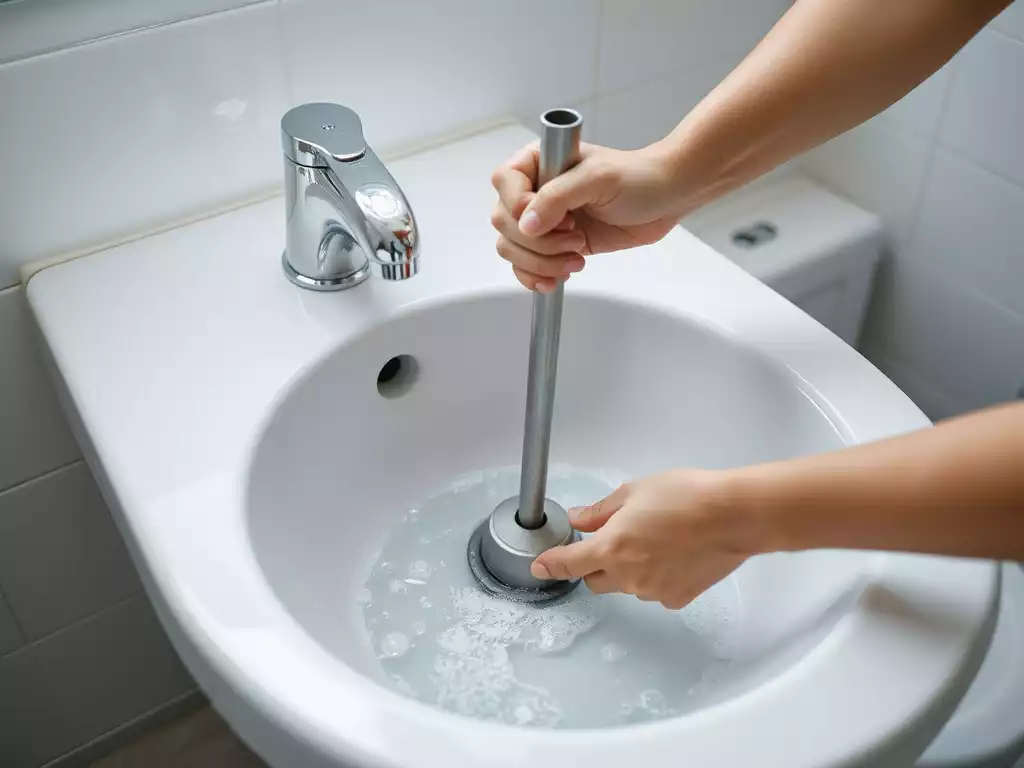
Using a Plunger: Tips for Effective Drain Unclogging
A plunger is a simple yet powerful tool. To use it effectively, make sure to:
- Fill the sink or tub with enough water to cover the rubber part of the plunger.
- Create a tight seal around the drain to maximize suction.
- Push down firmly, then pull up quickly to break the clog.
This method can often clear minor clogs, restoring flow to your drains in no time!
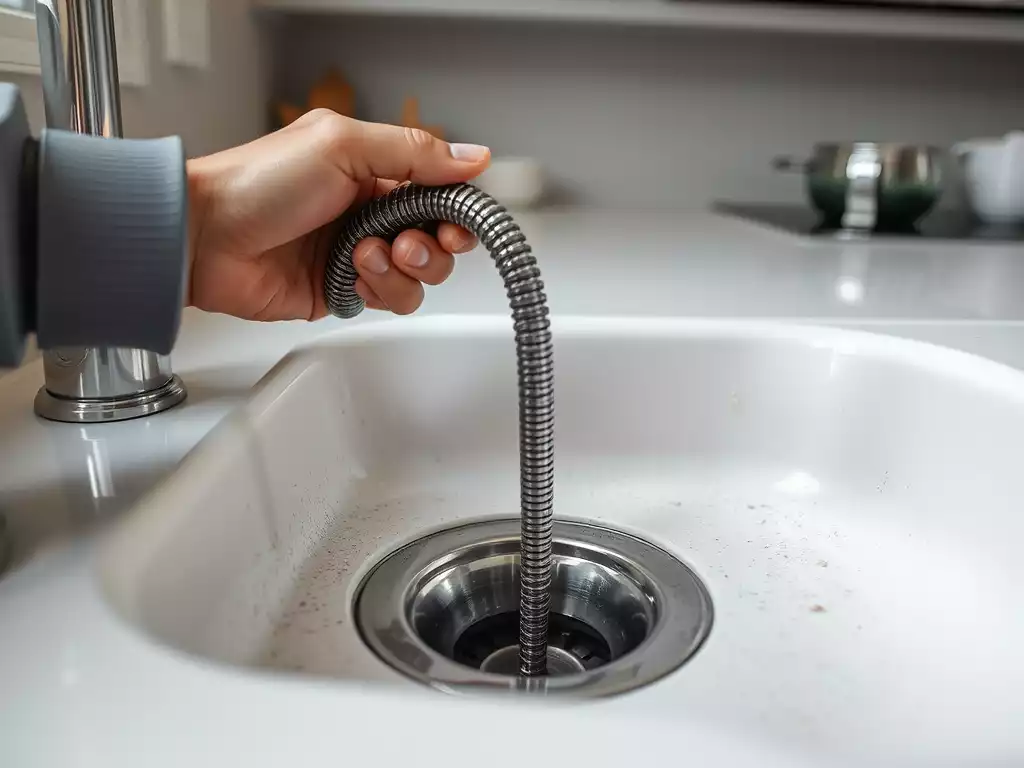
Employing a Drain Snake: How It Works and When to Use It
A drain snake is a flexible tool that can reach deep into your pipes. It’s particularly useful for:
- Removing hair clogs from bathroom drains.
- Clearing food particles caught in kitchen sinks.
- Reaching deeper blockages that a plunger can’t dislodge.
When you encounter a stubborn clog, a drain snake might just be the tool you need to save the day!
Natural Solutions: Baking Soda, Vinegar, and Hot Water for Minor Clogs
For minor clogs, natural solutions can be surprisingly effective. Here’s a quick method:
- Pour a cup of baking soda down the drain.
- Add a cup of vinegar and cover the drain.
- After a few minutes, flush the drain with hot water.
This combination creates a fizzing reaction that can help break down blockages without harsh chemicals!
Utilizing a Wet/Dry Vacuum: An Alternative Approach for Stubborn Clogs
If you’re facing a tough clog, a wet/dry vacuum can be a game changer. Here’s how to use it:
- Set the vacuum to liquid mode and create a tight seal around the drain.
- Turn it on and let it work its magic to suck out the blockage.
- Repeat if necessary until the clog is cleared.
This tool is particularly helpful for larger debris that gets stuck deep in the pipes.
Pro Tip
Did you know? Regularly flushing your drains with hot water can help prevent buildup over time. Consider doing this once a month to keep your pipes clear!
Frequently Asked Questions About Unclogging Drains
What are the most common causes of drain clogs?
How can I tell if my drain is clogged?
What tools are essential for unclogging drains?
When should I call a professional plumber?
Can natural remedies effectively clear clogs?
Wrapping Up: Your Path to Clear Drains with Simple Tools
As we conclude our guide on unclogging drains, it’s crucial to remember that tackling drain issues doesn’t have to be a daunting task. With the right knowledge and tools, you can effectively manage most clogs yourself. Armed with the tips and techniques we’ve discussed, you’re well on your way to maintaining clear drains in your home!
Key Takeaways for Successful Drain Unclogging
To summarize, here are the essential techniques and tools that can help you with DIY plumbing:
- Keep a plunger and a drain snake handy for immediate action against clogs.
- Natural remedies like baking soda and vinegar can resolve minor blockages effectively.
- Understanding the specific areas in your home that commonly experience clogs allows for better prevention.
- Regular maintenance and smart practices, such as using drain strainers, can greatly reduce the risk of future clogs.
It’s also important to recognize when your DIY efforts might not be enough. If you’re facing recurring issues or suspect deeper plumbing problems, it’s time to consider professional help.
Recap of Essential Techniques and Tools for DIY Plumbing
Throughout this article, we’ve explored various methods for unclogging drains. Whether it’s using a simple plunger, a powerful drain snake, or natural solutions, each tool has its place in your plumbing toolkit. Remember, the sooner you address a clog, the easier it will be to resolve!
Understanding When DIY is No Longer Enough: Recognizing Plumbing Issues
While DIY techniques are effective for many drain clogs, there are times when calling a plumber is the best option. If you notice:
- Multiple drains in your home are clogged at once,
- Unpleasant odors coming from the drains,
- Water pooling around your home,
- Slow drainage that persists despite your efforts,
it’s a strong signal that you may have a more significant plumbing issue at hand. Don’t hesitate to seek help from a professional!
Engaging with Your Plumbing Needs: Next Steps
Now that you’re equipped with the knowledge and tools to tackle drain clogs, it might be time to consider your ongoing plumbing needs. Engaging with local services can be beneficial, especially for persistent issues.
Exploring Local Drain Cleaning Services for Persistent Issues
Finding a reliable drain cleaning service in your area can provide peace of mind for those stubborn clogs. Look for:
- Companies with positive reviews and reputable services,
- Services that offer free estimates or consultations,
- Professionals who use eco-friendly cleaning methods.
Taking these steps can save you time and effort, ensuring your drains stay clear for the long haul.
Sharing Your Experiences: How to Contribute to Community Knowledge
I encourage you to share your experiences with drain unclogging! Whether you have a unique method that worked for you or tips that can help your neighbors, sharing knowledge builds a stronger community. You can:
- Join local community forums or social media groups,
- Write reviews for services you’ve used,
- Participate in local DIY workshops.
By contributing your insights, you not only help others but also reinforce your own understanding of effective plumbing practices.
Recap of Key Points
- Understand common clog locations: kitchen sinks, bathroom sinks, and shower drains are frequent trouble spots.
- Employ essential tools like a plunger, drain snake, baking soda and vinegar, and a wet/dry vacuum for effective unclogging.
- Recognize signs of clogs early, including slow drainage and unpleasant odors, to address issues promptly.
- Utilize natural remedies for minor clogs and maintain regular cleaning practices to prevent future blockages.
- Consider professional help if you encounter recurring issues or multiple drains clogging simultaneously.